What is SuperFasting?
By Dr Vipin Gupta, PhD — Chief Scientific Officer, Moodforest
Health is a system
The human body doesn't organize itself into departments. Sleep affects metabolism. Metabolism shapes mood. Mood drives behaviour. Behaviour determines inflammation levels, which touch cardiovascular function, which in turn affects cognition.
Everything feeds everything else.
Health is the behaviour of a biological system. That's the foundation of SuperFasting.
The modern drift
Human biology took hundreds of thousands of years to develop. For most of that time, humans lived outdoors. Movement was unavoidable. Food availability fluctuated. Sunlight was abundant, and sleep followed natural light cycles.
Modern life has altered nearly all of this. Most people now spend the majority of their time indoors, under artificial light, with food always available and movement optional. Stress has shifted from episodic to chronic.
The result shows up in the numbers: rising rates of obesity, fatty liver, diabetes, cardiovascular disease, and burnout, even in people who appear successful and functional.

Why single-factor approaches often fall short
A medication targets one pathway. A supplement addresses one deficiency. A diet changes one input. These can work. But complex systems rarely shift through a single variable.
Change one tree and the forest doesn't change. The whole ecology has to shift.
This raised a question I've been interested in for years: what happens when several biologically meaningful signals are restored at the same time? SuperFasting is an attempt to answer that.
The hypothesis
Most health programs start with a disease and work backward. SuperFasting starts with a different question: which biological signals has modern life removed?
The working hypothesis is simple. Many modern health problems may emerge from the long-term absence of environmental and behavioural signals that were once constant features of human life. If those signals are restored together, the body may have an opportunity to reorganize itself.
This is a working hypothesis, not a proven theory. But it's the one that underlies everything we do.
The protocol
SuperFasting is often called a fasting program. Fasting is one component. The broader goal is to restore a collection of biological signals that have largely disappeared from daily life.
Fasting. When food intake stops, the body shifts from relying on incoming calories to drawing on stored energy. As glycogen declines, fatty acids and ketones become the primary fuel, and a range of adaptive processes follow. Fasting is the central organizing element of the protocol, but the protocol doesn't stop there.
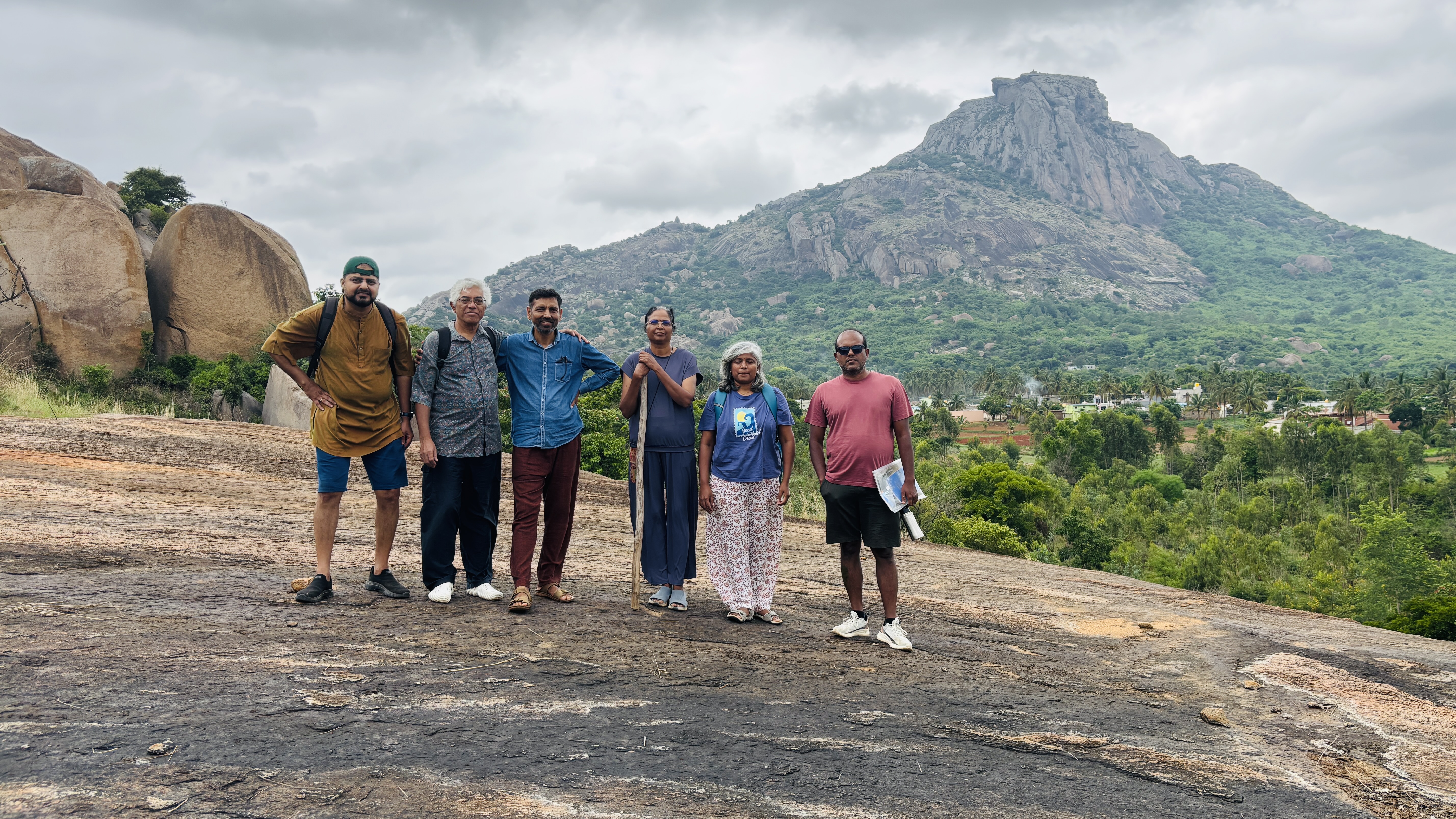
Green movement. Participants walk forest trails for several hours each day. This is biological activity, not athletic training. Walking influences circulation, glucose utilization, and metabolic demand. For most of human history, movement wasn't exercise. It was just life.
Structured physical activity. Beyond hiking, participants engage in activities targeting strength, mobility, and balance. The body needs regular challenges to maintain what it's capable of.
Sunlight. Most people get far less direct sunlight than they realize. Light does more than produce Vitamin D; it's a timing signal for circadian rhythms, hormone release, and sleep quality. Sunlight exposure is a deliberate part of the protocol.
Hydration. Water participates in virtually every biological process. During SuperFasting, hydration is monitored carefully and systematically. The goal is effective physiological function.
Forest immersion. The forest is part of what we're doing. The air differs from urban settings. The sounds differ. The microbial environment differs. The pace and sensory inputs differ. My working hypothesis is that forest environments contribute to biological regulation in ways we're only beginning to understand.
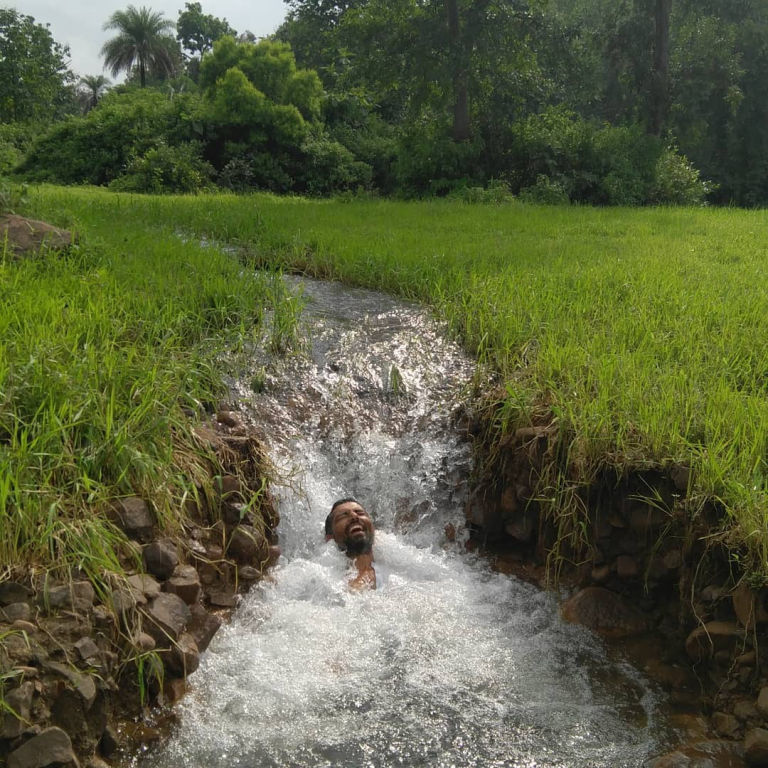
Microbiome re-engagement. Modern life has dramatically altered our relationship with the microbial world. Sanitized environments and indoor living have reduced many forms of environmental microbial exposure. Participants spend time in natural settings, including soil and mud, while reducing exposure to non-essential personal-care products. The goal is re-establishing contact with aspects of the natural environment that have largely dropped out of daily life.
Community. Humans evolved socially. Modern life frequently creates isolation. Participants live, learn, and move together. Conversations deepen. Distractions fall away. Many people describe this as the most unexpected part of the residency.
Recovery. Recovery is an active biological process. Sleep quality, light exposure, activity timing, and stress levels all shape it. We try to create conditions that support restoration rather than constant stimulation.
Why together
When several biological signals change simultaneously, the resulting effect may differ from what any single change would produce.
Movement influences metabolism. Metabolism influences inflammation. Inflammation influences mood. Mood influences sleep. Sleep shapes recovery, and recovery touches every other system. Whether these effects compound in ways that exceed the sum of individual parts is one of the most important open questions in human health. It's also the central question SuperFasting is trying to answer.
What happens during the residency
Participants arrive carrying habits, routines, and biological patterns accumulated over years. Sometimes decades.
Over the following days, food intake changes, movement increases, digital distractions fall away, and the environment shifts entirely. The body starts adapting. Some people notice physical changes first. Others notice mental clarity before anything else. Some go through discomfort before improvement. Some are surprised by emotional shifts they weren't expecting.
The experience is rarely about a single symptom. It's about the system recalibrating.
What we've observed
At Moodforest, we measure biological and psychological markers before and after each residency. Across 550+ participants over 7+ years, several patterns recur.
Visceral fat tends to drop. Body-age estimates improve. HS-CRP, a key marker of systemic inflammation, shows substantial reductions in many participants. Vitamin B12 and Vitamin D levels typically rise.
Lipid markers sometimes move in unexpected directions during active fat mobilization. We don't smooth this over. It's one reason we measure multiple parameters rather than reading a single marker in isolation.
Individual responses vary, sometimes considerably. Some participants see dramatic shifts across multiple markers. Others improve more gradually. We don't fully know why yet.
These observations are encouraging. But observations aren't proof. We collect and analyze outcomes continuously, and we try to stay genuinely open to what the data shows rather than using it to confirm what we already believe.
What we don't know
Quite a lot, honestly.
Which signals contribute most strongly to outcomes? Why do some participants respond dramatically while others improve more gradually? What role does the forest environment specifically play, beyond what we'd see in any outdoor setting? How much does the microbiome shift, and does it last? How durable are the changes at 6 months, 12 months, beyond?
These questions remain open. They deserve curiosity, not certainty. Moodforest's role isn't just to deliver a protocol. It's to participate in answering them.
SuperFasting is an attempt to remember biology.
After 7 years and 550+ participants across 15 countries, I think the hypothesis is worth taking seriously. Whether it proves fully correct, the data will eventually tell us.
For now, the questions themselves are worth asking.